
 Maisie Sullivan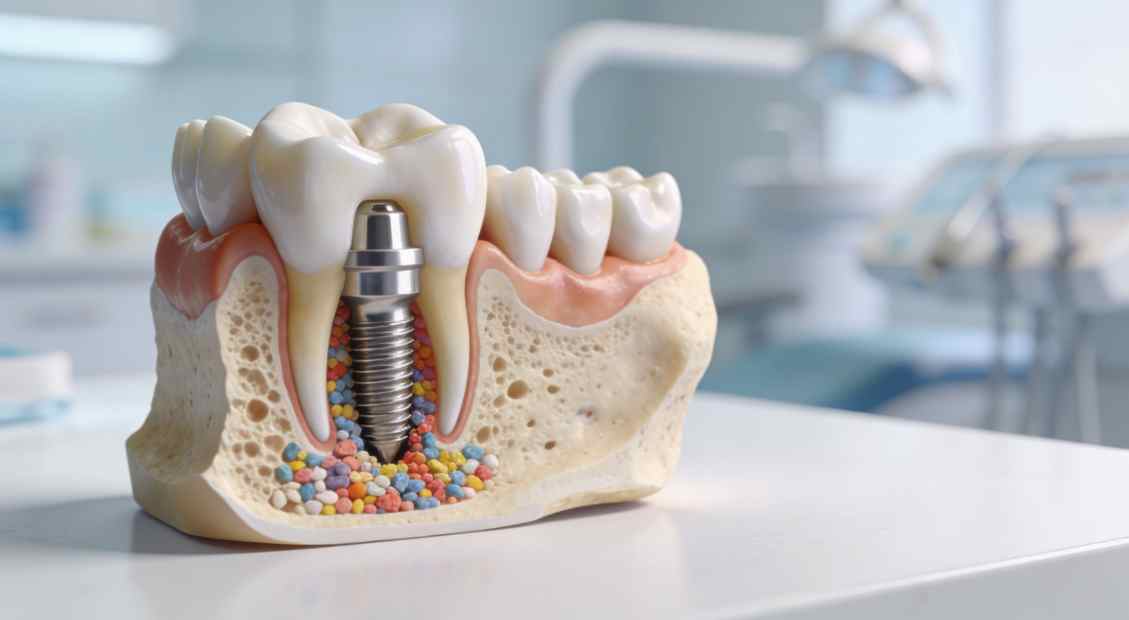
Dealing with a severely broken, deeply decayed, or entirely missing tooth creates a ripple effect of structural problems throughout your mouth. Beyond the obvious blow to your personal confidence, a compromised tooth makes it highly uncomfortable to chew your favorite foods and can cause you to unintentionally alter how you speak. If left untreated, the surrounding teeth will naturally begin to shift out of alignment into the open space, disrupting your bite and causing undue wear on your jaw joints. For generations, traditional restorative dental methods often relied on basic silver metal caps or fragile removable plates that felt bulky and looked out of place.
When exploring modern ways to rebuild your oral health, looking at how advanced ceramic prosthetics replicate natural tooth anatomy clarifies why fixed restorations are so highly valued. Clinical insight provided by dental restorative teams like Hughson Dental Implants shows that today’s custom porcelain systems are specifically engineered to bear intense biting forces while perfectly mirroring the natural light-reflecting qualities of your original enamel. Shifting your focus away from uncomfortable temporary fixes toward a long-term, structurally sound dental crown or bridge strategy allows you to safely preserve your natural jaw alignment and protect your remaining tooth structure for decades.
The Mechanical Blueprints: Understanding Crowns vs. Bridges
While crowns and bridges are frequently mentioned together, they serve entirely different structural purposes depending on whether your existing tooth can be saved or if it is already missing.
Understanding how these two separate fixed restorations are engineered helps you grasp exactly what your mouth needs to heal:
- The Individual Dental Crown: Often called a “cap,” a crown is a custom-fitted porcelain cover that slips entirely over a damaged, weak, or heavily filled tooth. It acts like a protective helmet, reinforcing the compromised tooth structure beneath it and preventing the root from splitting under pressure.
- The Fixed Dental Bridge: This appliance is used to fill a physical gap left by one or more completely missing teeth. It consists of a solid, single piece featuring two dental crowns on either end that anchor onto your remaining healthy teeth, with a completely solid fake tooth suspended right in the center.
Comparing Your Fixed Options: Traditional vs. Implant-Supported Systems
As material engineering has progressed, individuals now have more flexibility in how a dental bridge is anchored inside the mouth. Depending on the long-term health of your surrounding bone and teeth, your provider will typically suggest one of two structural setups.
[Traditional Bridge Setup: Prep Adjacent Teeth] → [Attach Anchoring Crowns] → [Suspend Floating Pontic]
[Implant-Supported Setup: Place Titanium Root] → [Attach Connector Abutment] → [Lock Crown into Position]
To see how these options function under normal daily use, compare their core differences directly:
| Structural Attribute | Traditional Fixed Bridge | Implant-Supported Crown/Bridge |
| Foundation Source | Relies entirely on the physical support of healthy neighboring teeth. | Bypasses natural teeth completely by anchoring into a titanium root. |
| Impact on Enamel | Requires shaving down the protective enamel of adjacent healthy teeth. | Preserves adjacent teeth by leaving their natural structure completely untouched. |
| Jawbone Health | Does not stimulate the bone in the empty space, allowing gradual bone loss. | Actively maintains jawbone density by transmitting natural biting pressure. |
| Typical Lifespan | Lasts between 10 to 15 years before the anchoring teeth may require service. | Built to last a lifetime with proper daily oral hygiene and regular cleanings. |
The Step-by-Step Clinical Process: Creating Your Custom Restoration
Getting a fixed porcelain crown or bridge is a highly predictable, multi-phase process designed to ensure a completely flush, comfortable fit that matches your natural chewing bite perfectly.
Phase 1: Structural Preparation and Shaping
During your initial visit, the dentist gently numbs the target area and carefully shapes the tooth receiving the crown. For a traditional bridge, the teeth on both sides of the empty space are slimmed down slightly. This micro-shaping creates the exact physical clearance needed for the final ceramic material to sit completely flush with your natural gum line without adding bulk.
Phase 2: High-Resolution Digital Impression Mapping
Once the teeth are beautifully shaped, the team uses an advanced optical intraoral scanner to capture a highly detailed 3D digital blueprint of your mouth. This digital file is sent instantly to a specialized dental laboratory, where a master technician designs your restoration. You are fitted with a comfortable temporary acrylic crown or bridge to protect your shaped teeth while the final masterpiece is crafted.
Phase 3: Final Bonding and Calibration
A couple of weeks later, you return to the clinic to have the temporary appliance removed. The dentist slides the final zirconia or porcelain restoration into place to check the physical margins, contact points, and color match under natural light. After making any micro-adjustments to ensure your bite feels perfectly natural, the doctor locks the restoration permanently into place using durable, medical-grade dental adhesive.
Long-Term Maintenance: Protecting Your Restorative Investment
Although premium dental ceramics are highly resilient and completely immune to structural tooth decay, the natural tooth structure holding them in place still requires daily protection. Plaque bacteria can still accumulate along the delicate margins where the ceramic shell meets your natural gum line, which can lead to gum disease or deep decay underneath the crown if left uncleaned.
Pay special attention under the bridge: Because a fixed bridge features a floating fake tooth suspended over your gums, a tiny physical gap exists underneath it where food debris and plaque film love to hide. Utilizing specialized super-floss or an interdental brush allows you to sweep horizontally underneath the suspended tooth every single night, keeping the underlying gum tissue perfectly firm and free from inflammation.
Additionally, maintain a consistent routine of scheduling professional cleanings and examinations twice a year. During these visits, your hygienist will use specialized, non-scratching instruments to clear away plaque film around the margins of your ceramic work, while the doctor can verify that your bite forces remain evenly balanced, ensuring your beautiful new restoration stays comfortable and secure for decades to come.